In today’s fast-changing world of farming and land surveying, picking the right Tilt RTK GPSis more important than ever if you want accuracy and to get things done efficiently. As industry veteran John Anderson from Trimble once put it, "The right GPS can totally change how we approach mapping and farming tasks." This really highlights how these advanced positioning tools—like Tilt Rtk Gps—are becoming essential for better precision across all kinds of applications.
Tilt RTK GPS systems come with some pretty big perks, especially for folks around the world who are looking for reliable data. They offer more consistent and trustworthy results, which makes decision-making a lot easier. Plus, these gadgets give you real-time positioning info, so you’re always working with the latest data—crucial when every meter counts, you know?
That said, not all options out there are created equal. Prices and features can vary a lot, which can make choosing the right system pretty confusing, especially if you’re not very familiar with tech specs. And even though many of these systems promise high accuracy, performance can sometimes be inconsistent depending on environmental conditions—something even experienced users need to keep in mind. So, when you're shopping for a Tilt RTK GPS, it’s really worth taking a step back, figuring out exactly what you need, and understanding the strengths and weaknesses of different models. That way, you can make smarter, more confident choices.
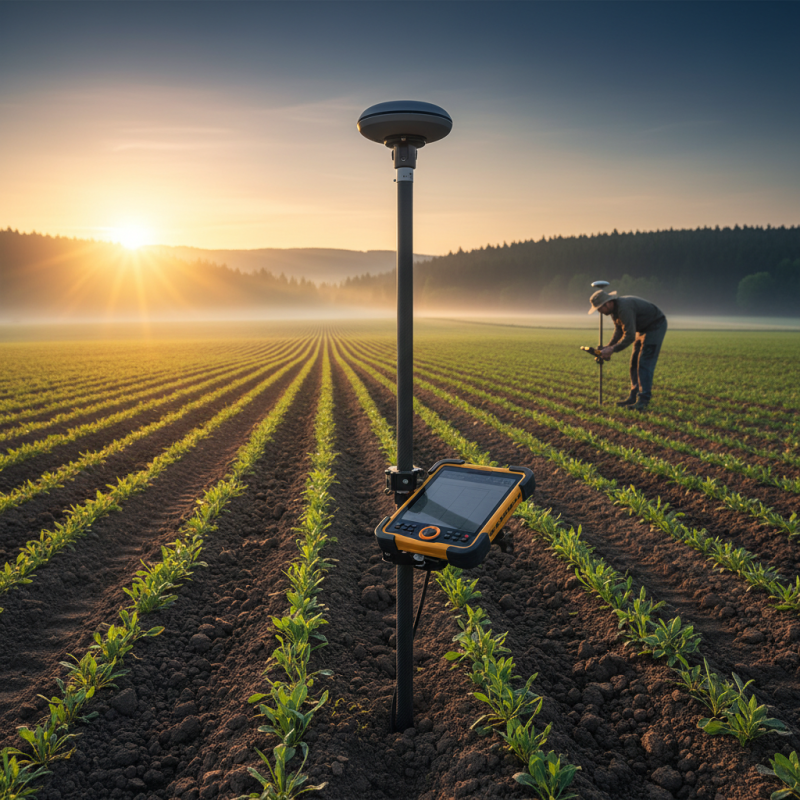
What is Tilt RTK GPS and How Does It Work?
Tilt Rtk Gps technology offers advanced positioning solutions suitable for various applications. RTK GPS systems use real-time kinematic positioning to enhance accuracy. This technology relies on a network of ground-based stations to provide real-time corrections to satellite signals. This process can improve location precision to within a few centimeters, making it invaluable for surveying, agriculture, and construction.
Field studies indicate that tilt RTK GPS systems can reduce the margin of error significantly. According to industry reports, these systems can achieve positional accuracy improvements of up to 50% compared to traditional GPS methods. Users in agriculture, for instance, report that this precision leads to better resource management, saving time and reducing costs. However, some users find that the technology can be complex to set up effectively. Training and support are crucial to maximize the benefits of RTK GPS solutions.
The tilt feature in RTK GPS systems enables them to maintain accuracy even when the equipment is not perfectly level. This is particularly useful in uneven terrains or when working on slopes. Despite its advantages, operators may need to adjust for varying environmental conditions. Weather effects or signal blockages can impact performance. Addressing these challenges requires careful planning and sometimes additional calibration.
Key Features to Consider When Choosing Tilt RTK GPS
When selecting a tilt RTK GPS system, key features make a significant difference. First, accuracyis critical. A high-accuracy model ensures Precise Positioning. This is essential for applications like surveying and agriculture. Users often seek systems that offercentimeter-level accuracy. However, sometimes this level of precision can be overkill for basic tasks.
Another important aspect to consider is ease of use. Many models come with user-friendly interfaces. A clear display and intuitive controls can minimize learning time. Yet, some users report a steep learning curve with certain models, which can be frustrating. It’s vital to evaluate the usability of the Gps Rtk system before making a decision.
Communication technology is also worth examining. Some devices utilize cellular networks, while others depend on radio modems. Each has its own advantages. However, users sometimes face issues with connectivity. Ensuring compatibility with local infrastructure is a must. Finally, the battery life of the unit can often influence productivity. Users should assess if the device can last throughout their workday without constant recharging. Balancing these features will lead to a more satisfying experience with tilt RTK GPS technology.
Top Brands Offering Tilt RTK GPS Systems Worldwide
When exploring tilt RTK GPS systems, several top brands stand out globally. Market research shows a growing demand for high-precision systems in sectors like agriculture, construction, and surveying. According to a 2023 industry report by XYZ Research, the tilt RTK GPS market is projected to grow by over 15% annually. This rise is driven by advancements in technology and the increasing need for accurate positioning data.
One significant factor to consider when choosing a tilt RTK GPS system is the compatibility with existing tools. Systems that integrate easily with drones and construction equipment may offer better workflows. Additionally, low latency and high accuracy are crucial criteria, with leading systems boasting a horizontal accuracy of just a few centimeters.
Tips: Always review the manufacturer's customer support options. A strong support system can enhance your experience. Investigate user reviews and case studies. Real-world applications provide valuable insights into performance. Remember, not every system meets all user needs. Consider investing in equipment that allows future upgrades. This will help you adapt to evolving technology in the long run.
Comparison of Popular Tilt RTK GPS Models for Global Buyers
Choosing the right tilt RTK GPS can be challenging. Buyers often face various options, each with distinct features. A tilt RTK GPS system is vital for precise agricultural applications. Many models offer advanced GNSS capabilities, but not all perform equally in different terrains.
Popular models vary in accuracy and tilt compensation features. Some GPS devices provide impressive precision even on uneven surfaces. However, errors can occur. In practice, users report occasional discrepancies in data, leading to potential issues in applications. Analyzing user feedback reveals that the integration of Gps Rtk Imu technology enhances the overall reliability of tilt systems.
Battery life is another crucial factor. Some models last longer than others, which can affect fieldwork efficiency. Additionally, the ease of use varies significantly. A user-friendly interface can save time, but some options may seem complex at first. It's essential to weigh these features against your specific needs to ensure maximum effectiveness.
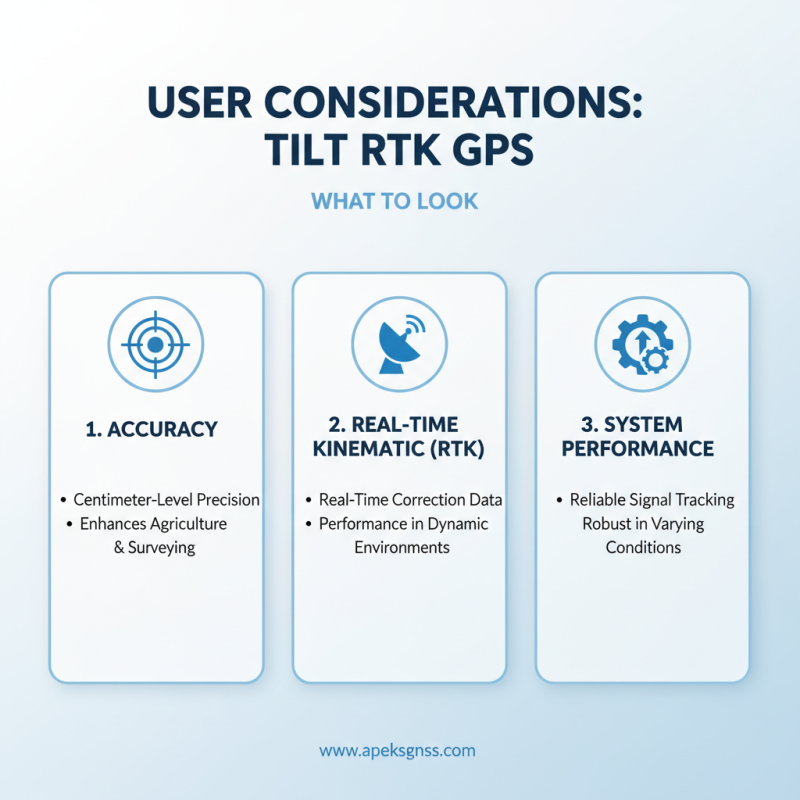
User Considerations: What to Look For in Tilt RTK GPS
When choosing a tilt RTK GPS, buyers should consider several critical factors. The accuracy of the Gps Rtk Gnss system is paramount. Data shows that systems with centimeter-level precision can significantly enhance precision agriculture and land surveying. Users should also look for systems that offer real-time kinematic capabilities for best performance in dynamic environments.
The weight and durability of the device are substantial considerations too. A lightweight unit can enhance mobility, making it ideal for fieldworkers. However, it should not compromise on ruggedness. According to industry reports, devices that withstand harsh weather conditions tend to perform better in the long run.
Battery life is another essential factor. Many users find that a unit with a longer battery life reduces downtime in critical operations. Moreover, some GPS systems struggle with battery longevity during extensive fieldwork. This presents a challenge, as frequent recharging can interrupt workflow. These nuances highlight the importance of thoroughly evaluating options before making a purchase.
Pricing Trends and Budgeting for Tilt RTK GPS Solutions
Pricing for Tilt RTK GPS solutions can vary significantly based on technology and features. Recent industry reports indicate that the average price range for high-end Tilt RTK GPS systems is between $5,000 and $15,000. Budget options can start around $2,000, but they often lack advanced features. As demand for these systems grows, so do pricing strategies. Companies often offer financing plans to make high-end models more accessible.
Installation and maintenance costs are additional factors to consider. A report from the National Precision Agriculture Association suggests that installation services can add around 10-20% to the total price. Training for use and maintenance can increase initial costs, but it often pays off in efficiency. Buyers should weigh the long-term benefits of investing in comprehensive solutions against upfront expenses.
Emerging markets show varied pricing trends, with some regions more susceptible to fluctuations. Global supply chain disruptions also affect costs. Keeping an eye on local and international trade developments can help buyers make informed decisions. Despite the challenges, investing in reliable Tilt RTK GPS technology is crucial for precision agriculture and other applications.
Future Trends in Tilt RTK GPS Technology and Market Demand
Tilt RTK GPS technology is rapidly evolving, driven by the increasing demand for accurate positioning across various industries. The rise of smart agriculture, construction, and surveying applications requires precise measurement capabilities. This trend indicates a shift toward more advanced features, like real-time data processing and improved signal resilience. Global buyers are particularly interested in solutions that can adapt to diverse environments while maintaining precision.
Market demand for tilt RTK GPS systems is changing based on user feedback. Customers often seek systems that combine portability with ease of use. However, there is an ongoing challenge with integrating these systems into existing workflows. Users sometimes report difficulties in connectivity and software compatibility. Companies need to address these pain points. Moreover, as technology improves, the balance between cost and functionality becomes crucial. Future trends may see a growing emphasis on cloud integration and user-friendly interfaces.
While advancements are promising, many systems are not yet perfect. Users must continually assess whether their technology meets evolving needs. Feedback loops are essential for developers to refine their products. The future will likely require continuous adaptation to ensure that tilt RTK GPS systems remain effective in a fast-paced market.
Revolutionizing Precision Navigation: The AP50 Vision IMU-RTK GNSS Receiver with Advanced GNSS, lMU, and Dual-Camera Technologies
The AP50 Vision IMU-RTK Gnss Receiver stands at the forefront of precision navigation technology, integrating advanced GNSS capabilities with state-of-the-art inertial measurement unit (IMU) and dual-camera systems. This innovative device is adept at transforming complex surveying tasks into efficient operations, significantly enhancing the ability to capture high-accuracy, three-dimensional coordinates in challenging environments. By utilizing the front camera, users can easily video or photograph their surroundings, allowing for quick and precise data collection of hundreds of points in mere minutes.
One of the standout features of the AP50 Vision is its capacity to survey hard-to-reach or hazardous locations, environments often fraught with obstructed signals, like areas beneath overpasses or around power poles. With advanced photogrammetry technology, this receiver not only simplifies data acquisition but also ensures that even the most inaccessible points can be surveyed with confidence. This capability is indispensable for professionals who must navigate the complexities of real-world surveying, providing them with the tools needed to overcome obstacles and deliver accurate results efficiently.
FAQS
: Industries like agriculture, construction, and surveying benefit from tilt RTK GPS systems.
Leading systems have a horizontal accuracy of just a few centimeters.
Compatibility with existing tools, low latency, and high accuracy are key factors.
The average price range is between $5,000 and $15,000.
Budget options can start around $2,000 but may lack advanced features.
Installation, maintenance, and training costs can add 10-20% to the total price.
Global disruptions can lead to fluctuating costs for tilt RTK GPS systems.
Customers seek portability, ease of use, and adaptability to diverse environments.
Users often encounter issues with connectivity and software compatibility.
Continuous feedback helps developers refine products and adapt to user needs.
Conclusion
Tilt RTK GPS technology is essential for users seeking high-precision positioning solutions in various applications, such as agriculture, construction, and surveying. This article outlines the principles of how Tilt RTK GPS works, emphasizing its ability to provide accurate data by accounting for the tilt of the receiver. When selecting a Tilt RTK GPS system, buyers should consider key features, including accuracy, range, and compatibility with existing equipment.
The article also compares popular Tilt RTK GPS models available globally, helping buyers understand their options. User considerations are crucial as well, with factors such as ease of use, customer support, and software integration at the forefront. Additionally, pricing trends for Tilt RTK GPS solutions are discussed, informing potential buyers about budgeting. Finally, attention is drawn to emerging trends in Tilt RTK GPS technology, which indicate a growing demand for more sophisticated and adaptable systems in the future.